Training videos for fisheries managers cover techniques for sampling invasive carp species
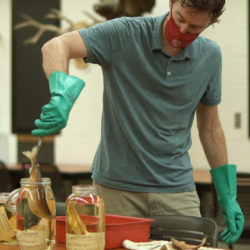
The collection of 17 training videos grew out of a workshop that took place in Kentucky last year.
A Sea Grant mapping project provided pivotal information about the location of pools in Milwaukee, which helped a park friends group convince the Milwaukee County Board to keep the pool open and make their budget cuts elsewhere.
Applications are due by Aug. 28 for a new, one-year position focused on the Eat Wisconsin Fish initiative.
Sea Grant-funded researchers are working towards a vaccine that could prevent columnaris disease in farmed fish. The disease affects many freshwater species, including yellow perch.
A webinar on Aug. 12 offers the opportunity for beach managers and outdoor recreation professionals to share how COVID-19 has impacted their jobs on state and local levels.
Recently published findings in the journal Limnology and Oceanography: Methods, of the Association for the Science of Limnology and Oceanography, shed light on what spiny waterfleas are eating in Lake Michigan.
Madeline Island Yacht Club has been certified as a Wisconsin Clean Marina. As such, the yacht club promotes environmentally responsible business practices to minimize pollution and improve water quality.
Lydia Salus, the new J. Philip Keillor Wisconsin Coastal Management Sea Grant Fellow, is tackling the challenge of developing resilience in coastal communities across the Great Lakes region.
Research compared two methods for removing aquatic invasive species from watercraft, as well as two periods of time spent on removal, and found no significant difference.
Wisconsin Sea Grant is pleased to announce two Wisconsin finalists among the next class of the national John A. Knauss Marine Policy Fellowship program, Stephanie Houser and Rachel Johnson.