New Lake Superior Office agent to focus on climate and tourism
Natalie Chin has begun work in our Superior Office, focusing on climate change and tourism.
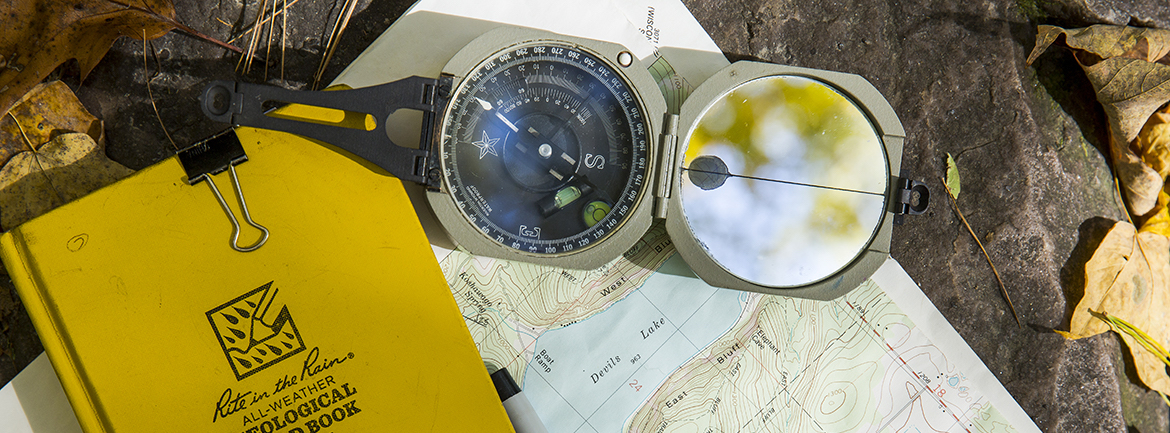

Natalie Chin has begun work in our Superior Office, focusing on climate change and tourism.
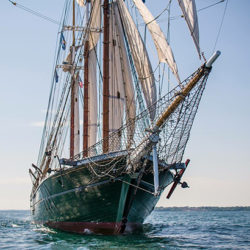
Eight educators from Minnesota and eight from Wisconsin will sail aboard a three-masted schooner from St. Ignace, Michigan, through the Soo Locks to Duluth, Minnesota, August 5-12, 2019. Their guides aboard the Denis Sullivan will combine native and Western water-science in a hands-on teach-the-teacher experience.
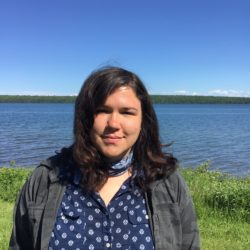
Sarah Dance, a Ph.D. student at the University of Wisconsin-Madison, was recently awarded a Baldwin Wisconsin Idea Endowment grant to fund research into wild rice in Wisconsin.
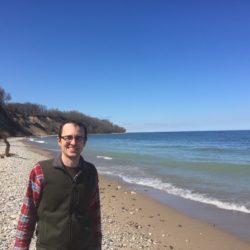
Adam Bechle is a busy man in his new job as Wisconsin Sea Grant’s coastal engineer. He’s helping the organizations across the state with erosion and flooding issues.
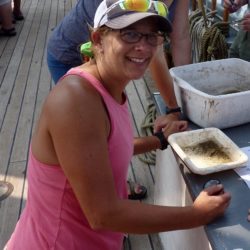
Three Wisconsin teachers will join a dozen others from around the Great Lakes on a week-long research cruise in July on Lake Erie with scientists aboard the Environmental Protection Agency’s R/V Lake Guardian. Hear how two of them are bringing their experiences from an educational cruise on an historic ship to their experience aboard this more modern ship.
A new educational pack is filled with materials to help teach students and other groups about Great Lakes fish.
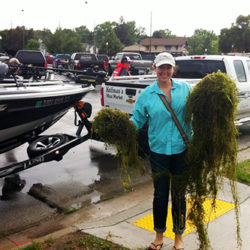
The public awareness campaign will reach boaters during one of the busiest times of the year, the Fourth of July weekend.
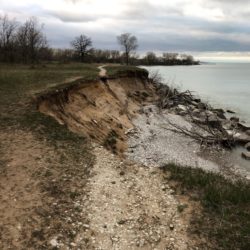
Kenosha Dunes is the subject of a unique erosion-control project on Lake Michigan in Wisconsin.
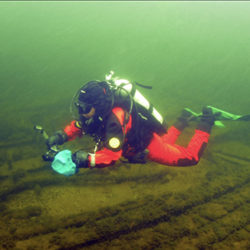
Tori Galloway is conducting a comparative analysis of scow schooner construction and use on the Great Lakes.
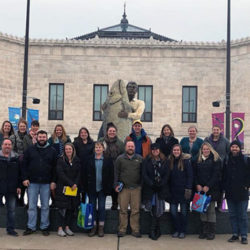
A teacher professional development program related to watersheds and ecosystems continues, now with a special focus on meeting the needs of students with disabilities.