

Making mercury toxic: microbial transformations of a global pollutant
Mercury is a dangerous neurotoxin that can be found in high concentration in fish across the globe. Surprisingly, mercury levels in the environment are quite low compared to other forms of pollution. However, microorganisms in the environment can convert the mercury that is released into the environment into another form of mercury called methylmercury. This methylmercury form is capable of two processes called bioaccumulation and biomagnification which lead to high concentrations, often to toxic levels, in fish.
This research focuses on understanding these microorganisms: Who are they? Where do they live? What do they eat? Why do they make mercury more toxic? This research was conducted in a wide range of environments, from the Great Lakes down to test tubes in the laboratory.
Join Ben Peterson, an Assistant Professor in the School of Freshwater Sciences at the University of Wisconsin−Milwaukee, for a look into his research that uses microbes as a window into understanding how contaminants impact aquatic ecosystems and human health.

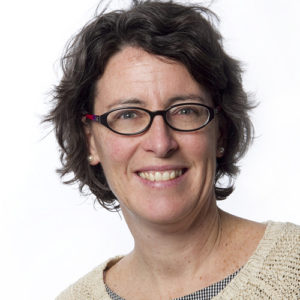
Ben Peterson
Featured Scientist
Originally from Wisconsin, Ben received his PhD in Environmental Chemistry and Technology from the University of Wisconsin−Madison investigating mercury methylating bacteria in freshwater lakes and wetlands. He then worked as a postdoctoral scholar at the University of California−Davis, working on methylmercury formation in different ecosystems across the US, from the permafrost of northwest Alaska to the coastal wetlands of the Florida Everglades.
- When: January 14, 2026 1 -2 Central Time
- Target audience: High school students and up and their educators, although everyone is welcome to attend
- Please pre-register for the Zoom-based webinar event
Suggested Pre Webinar Concepts and Activities
Students are welcome to attend the Students Ask Scientist presentation whether, or not, they have been exposed to the following concepts.
Suggestion 1: Redox Reactions
Suggestion 2: Why Redox Reactions Matter – Links to Cellular Respiration
Suggestion 3: Mercury Methylation
Suggestion 4: Bioaccumulation and Biomagnification
Need a refresher on these topics yourself?
This summary resource can provide a starting point.
Suggested Post Webinar Activity
Suggestion 1: Investigate where sulfur-oxidizing and sulfate-reducing bacteria are found in Wisconsin
The most common sign of sulfur bacteria is a “rotten egg” odor.
Studies of Wisconsin lakes, like Knaack Lake in Monroe County, have identified populations of sulfur bacteria, particularly green sulfur bacteria, that thrive in anoxic (low-oxygen) conditions at certain depths.
Sulfur bacteria are sometimes found within groundwater and home wells within the Fox River Valley and other locations.
Wisconsin does not have sulfur springs that are open to the public for bathing. Perhaps you have experienced sulfur springs in other parts of the country or world.
Not in Wisconsin? Contact your Center for Great Lakes Literacy representative for resources featuring where sulfur-growing bacteria might be found within your state
Suggestion 2: Investigate fish advisories
Find out more about healthy consumption of fish from Wisconsin’s waters from the Wisconsin Department of Natural Resources. Publication FH-824 “Choose Wisely: A Health Guide for Eating Fish in Wisconsin” contains detailed information about the pollutants present and consumption recommendations for individual waterways and counties.
Not in Wisconsin? Contact your Center for Great Lakes Literacy representative for comparable resources featuring fish consumption advisories within other states and the Great Lakes.
Don’t forget to pre-register for the Zoom-based webinar event
- When: January 14, 2026 1-2 CT
- Target audience: High school students and up and their educators, although all are welcome
- Please pre-register for Zoom-based event
Questions? Contact Anne Moser or Ginny Carlton.