

Making mercury toxic: Microbial transformations of a global pollutant

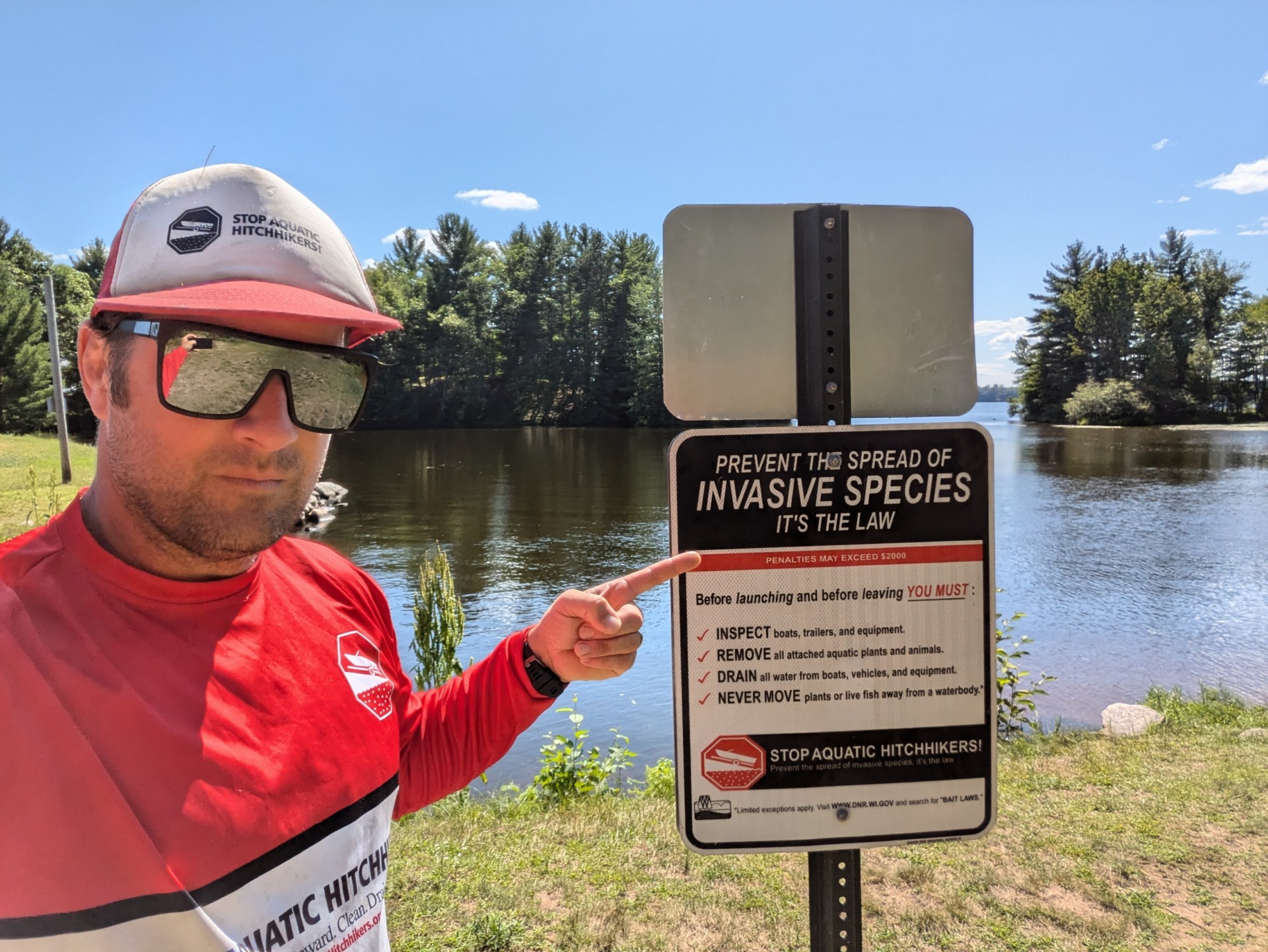
Ben Peterson. Submitted photo.
Mercury is a dangerous neurotoxin that can be found in high concentrations in fish across the globe. Surprisingly, mercury levels in the environment are quite low compared to other forms of pollution. However, microorganisms in the environment can convert the mercury that is released into the environment into another form of mercury called methylmercury. This methylmercury form is capable of two processes called bioaccumulation and biomagnification that lead to high, often toxic, concentrations in fish.
This research focuses on understanding these microorganisms: Who are they? Where do they live? What do they eat? Why do they make mercury more toxic? This research was conducted in a wide range of environments, from the Great Lakes down to test tubes in the laboratory.
Join Ben Peterson, an assistant professor in the School of Freshwater Sciences at the University of Wisconsin−Milwaukee, for a look into his research that uses microbes as a window into understanding how contaminants impact aquatic ecosystems and human health.
Learn more about Peterson and his work.
- When: January 14, 2026 1-2 p.m. CT
- Target audience: High school students and up and their educators, although all are welcome
- Please pre-register for Zoom-based event
Questions? Contact Anne Moser or Ginny Carlton.